

Bitcoin Munari’s Final Day at $0.22 Aligns With US Interest Payments Hitting $970 Billion Annually as Fiscal Concerns Drive Bitcoin Adoption
Cryptopolitan
Bitcoin Munari’s Final Day at $0.22 Aligns With US Interest Payments Hitting $970 Billion Annually as Fiscal Concerns Drive Bitcoin Adoption
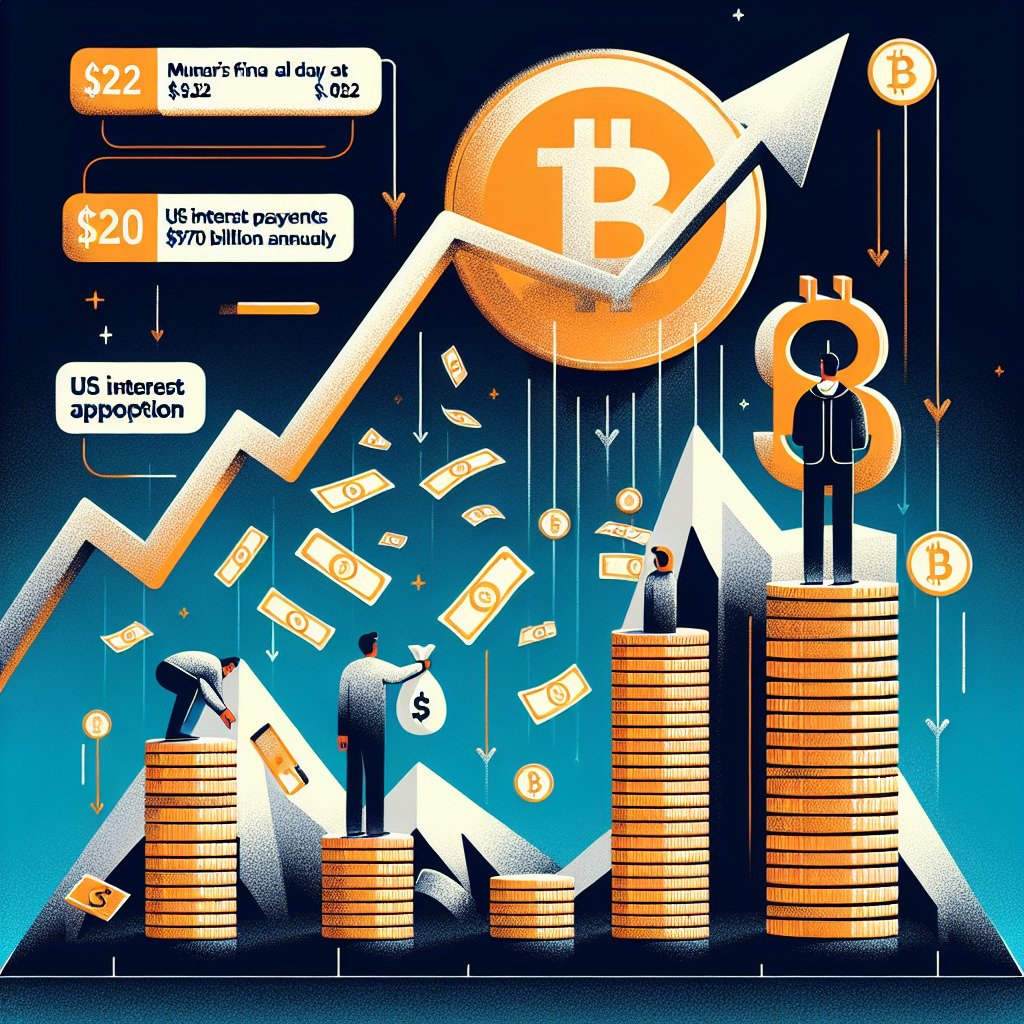
In a noteworthy development, Bitcoin Munari’s last trading day at a price of $0.22 coincides with the alarming rise in U.S. interest payments, which have surged to a staggering $970 billion annually. This convergence highlights the growing fiscal concerns that are catalyzing an increased interest in Bitcoin as an alternative asset.
The escalating interest payments are primarily a result of the U.S. government’s rising debt levels and the subsequent increases in interest rates. As the federal debt continues to mount, investors are becoming increasingly wary of traditional financial systems. This trend has led to a sharper focus on cryptocurrencies, particularly Bitcoin, which is often viewed as a hedge against inflation and economic instability.
The Impact of Rising Interest Payments
The $970 billion annual interest payment is a significant burden on the federal budget, diverting funds from essential services and investments. As these payments consume a larger portion of government resources, concerns about fiscal sustainability grow. This scenario is prompting both institutional and retail investors to consider Bitcoin as a viable alternative, given its decentralized nature and potential for value appreciation.
Bitcoin’s Role as a Hedge Against Inflation
With inflation fears on the rise, many investors are turning to Bitcoin to protect their wealth. The cryptocurrency has demonstrated resilience in times of economic uncertainty, often appreciated when traditional markets falter. As more people become aware of Bitcoin’s capacity to act as a store of value, its adoption is likely to increase, especially among those who are skeptical of government monetary policy.
Adoption Trends in the Cryptocurrency Space
The current fiscal concerns are not only driving interest in Bitcoin but also accelerating the broader adoption of cryptocurrencies. Financial institutions are exploring blockchain technology and digital assets as part of their strategies to diversify portfolios. Reports indicate that major corporations and investment funds are beginning to allocate a portion of their assets to cryptocurrencies, further legitimizing the market.
Conclusion
As Bitcoin Munari’s final day at $0.22 aligns with the U.S. government’s rising interest payments, it becomes evident that fiscal concerns are fostering a growing interest in cryptocurrencies. The potential for Bitcoin to serve as a hedge against inflation and an alternative to traditional financial systems is increasingly recognized. As the landscape evolves, it will be interesting to monitor how these economic factors continue to influence Bitcoin’s adoption and price movements in the coming years.