

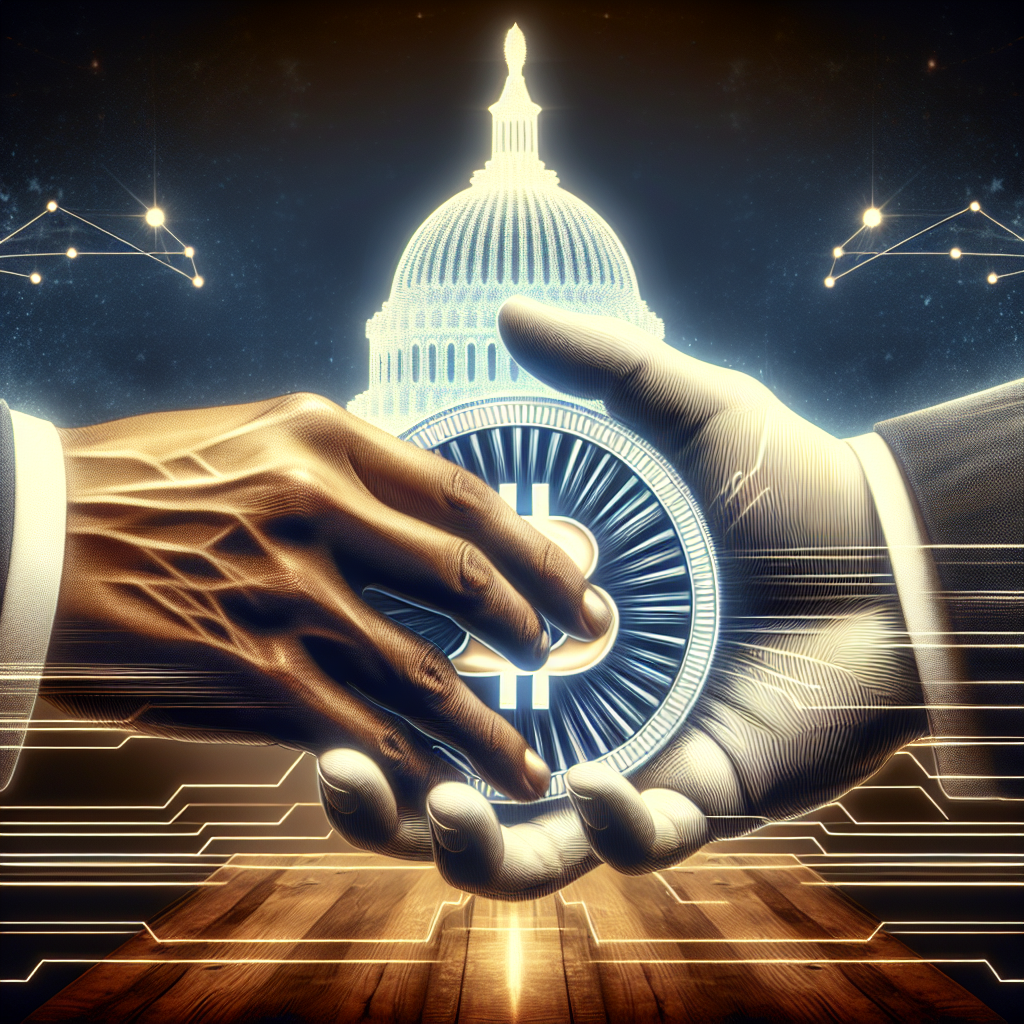

Tron’s Adrian Wall States US Crypto Regulation Will Be Bipartisan
Crypto Policy Isn’t Divided: Tron’s Adrian Wall Says US Regulation Will Be Bipartisan
In a recent discussion, Adrian Wall, a prominent figure from the blockchain platform Tron, expressed his belief that the future of cryptocurrency regulation in the United States will not be split along partisan lines. Wall emphasized that lawmakers from both sides of the political spectrum are increasingly recognizing the importance of establishing a clear framework for digital assets.
Growing Bipartisan Support for Crypto Regulation
Wall pointed out that as cryptocurrencies gain mainstream acceptance, there is a growing acknowledgment among politicians that clear regulations are essential for fostering innovation while ensuring consumer protection. This bipartisan support could lead to more cohesive policies that facilitate the growth of the crypto industry without stifling it with overly restrictive measures.
In recent months, there have been several initiatives from both Democratic and Republican lawmakers aimed at addressing the regulatory landscape for cryptocurrencies. Some of these initiatives focus on creating a comprehensive framework that would clarify the legal status of various digital assets, while others aim to establish guidelines for exchanges and wallet providers.
The Role of Regulatory Bodies
Additionally, Wall noted the importance of regulatory bodies like the Securities and Exchange Commission (SEC) and the Commodity Futures Trading Commission (CFTC) in developing a balanced approach to regulation. He suggested that a collaborative dialogue between these agencies and industry stakeholders can lead to more effective regulations that protect consumers while promoting innovation.
The SEC has been actively working to define which cryptocurrencies should be classified as securities, a distinction that has significant implications for how these assets are regulated. Meanwhile, the CFTC has been focusing on the derivatives market for cryptocurrencies, further highlighting the need for a unified regulatory approach.
Challenges Ahead
Despite the optimism surrounding bipartisan support for crypto regulation, Wall acknowledged that challenges remain. The rapidly evolving nature of the crypto space poses difficulties for regulators who must keep pace with technological advancements. Moreover, differing opinions on the best approach to regulation can lead to legislative gridlock.
Furthermore, as major financial institutions and traditional investors increasingly enter the crypto market, the need for a robust regulatory framework becomes even more critical. Effective regulation could help mitigate risks such as fraud and market manipulation, ultimately fostering a safer environment for all participants.
Conclusion
In conclusion, Adrian Wall’s insights reflect a growing sentiment in the crypto community that bipartisan cooperation is essential for the development of effective regulatory policies. As discussions continue and more stakeholders engage in the process, the potential for a clear and cohesive regulatory framework for cryptocurrencies in the U.S. appears to be on the horizon. This could ultimately pave the way for a more secure and prosperous future for the digital asset ecosystem.