

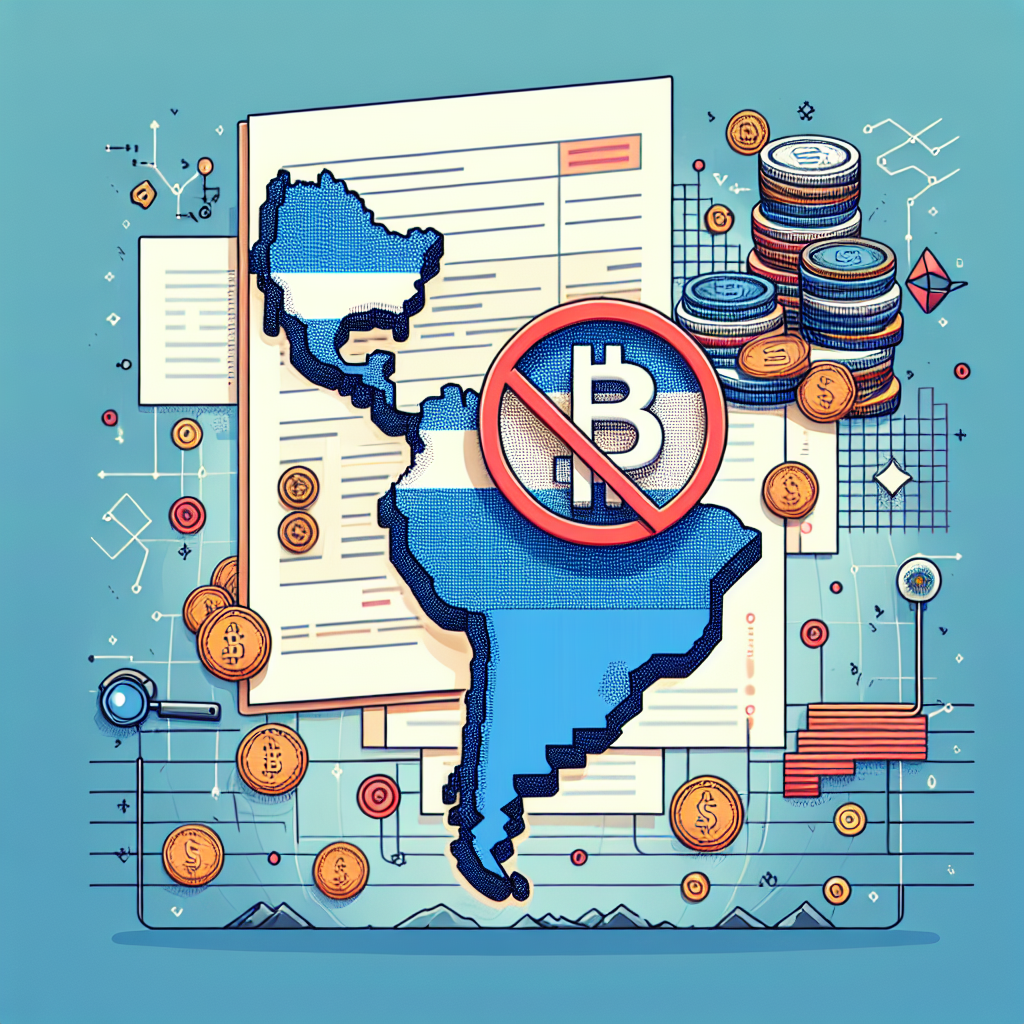

Latam Insights: Paraguay Implements Strict Crypto Reporting Regulations
Argentina Prohibits Peso Stablecoin
Bitcoin.com News
“`html
Latam Insights: Paraguay Implements Stricter Crypto Reporting Regulations, Argentina Prohibits Peso Stablecoin
In a significant move for the cryptocurrency landscape in Latin America, Paraguay has introduced stringent reporting regulations for crypto transactions, while Argentina has taken decisive action to block a peso-pegged stablecoin.
Paraguay’s New Crypto Reporting Rules
Paraguay’s government has announced the implementation of new regulations aimed at enhancing transparency in cryptocurrency transactions. These rules require individuals and businesses engaged in cryptocurrency activities to report their holdings and transactions to the authorities. The goal is to prevent money laundering and ensure compliance with international financial standards.
The Paraguayan government’s decision reflects a growing trend in the region to regulate the rapidly evolving cryptocurrency market. By enforcing stricter reporting requirements, authorities aim to create a more secure environment for investors while fostering the growth of blockchain technology within the country.
Argentina Blocks Peso Stablecoin
In a related development, Argentina’s financial regulators have moved to block the launch of a stablecoin pegged to the Argentine peso. The decision is part of the government’s broader strategy to maintain control over its currency amid ongoing economic challenges, including high inflation and currency devaluation.
Stablecoins, which are designed to maintain a stable value by pegging to fiat currencies, have gained popularity in Argentina as residents seek refuge from the volatility of the peso. However, the government’s action aims to safeguard its monetary policy and prevent potential disruptions in the financial system.
The Implications for the Crypto Market
The regulatory changes in Paraguay and Argentina highlight the complex relationship between governments and the cryptocurrency market in Latin America. While some countries have embraced digital currencies, others are cautious, seeking to balance innovation with regulatory oversight.
As these developments unfold, they may have profound implications for the future of cryptocurrency adoption in the region. Investors and crypto enthusiasts will need to navigate these evolving regulations, which could shape the landscape of digital asset trading and investment. Additionally, the actions taken by these governments may influence other nations in Latin America as they consider their own approaches to cryptocurrency regulation.
Conclusion
As Paraguay tightens its grip on crypto reporting and Argentina blocks a peso stablecoin, the region’s regulatory environment continues to evolve. Stakeholders in the cryptocurrency space must remain vigilant and adaptable as they respond to these changes, which underscore the ongoing tension between innovation and regulation in the digital finance sector.
“`