


Turkey Proposes Expanded Powers for Financial Watchdog to Freeze Accounts and Blacklist Crypto Wallets
Bitcoin.com News
Turkey Proposes Expanded Powers for Financial Watchdog to Freeze Accounts, Blacklist Crypto Wallets
In a significant move to regulate the cryptocurrency market, Turkey has proposed a set of expanded powers for its financial regulatory authority. The aim is to enhance oversight and address concerns related to financial crimes, money laundering, and the potential use of cryptocurrencies in illegal activities.
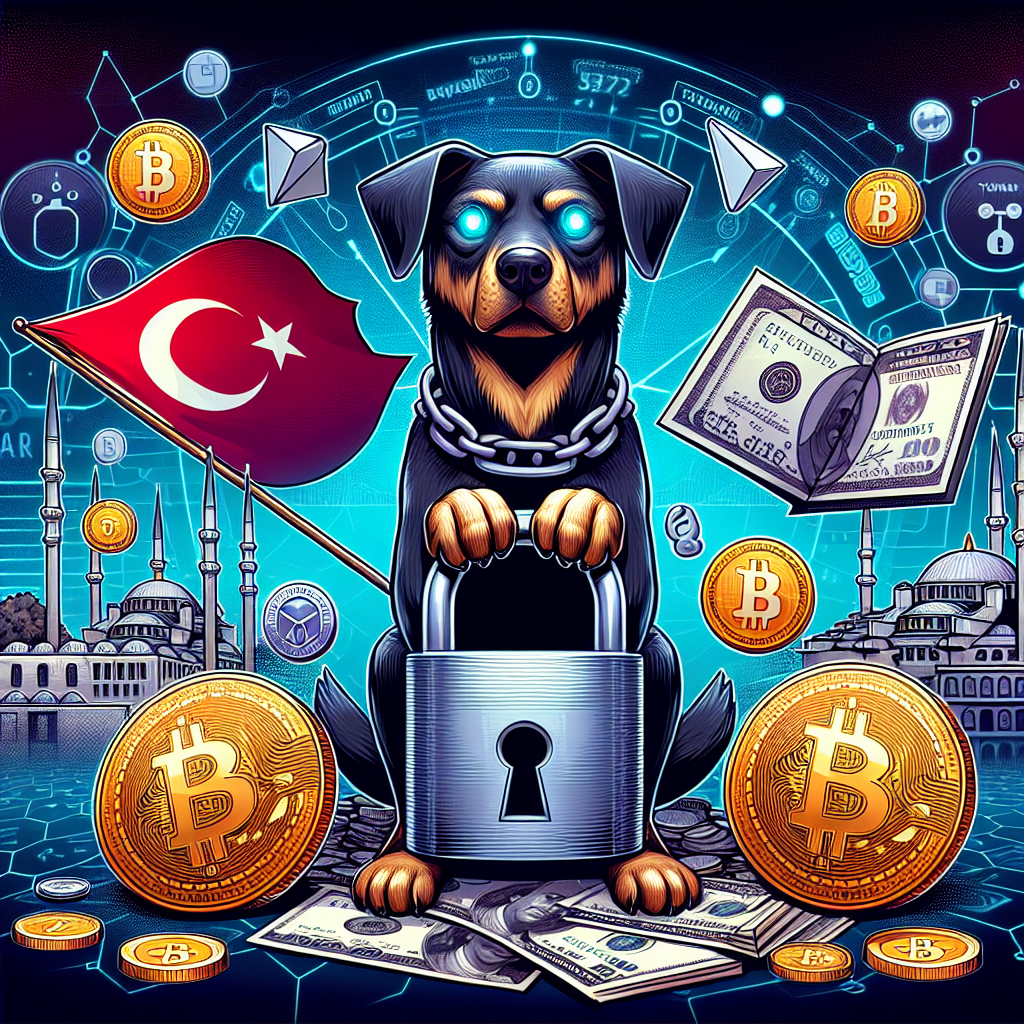
The proposed changes would empower the Financial Crimes Investigation Board (MASAK) to freeze bank accounts and blacklist cryptocurrency wallets implicated in suspicious activities. This measure is part of Turkey’s broader strategy to strengthen its regulatory framework surrounding digital currencies and ensure compliance with international standards.
The Turkish government has been increasingly focused on the risks associated with cryptocurrencies, especially as the market has grown rapidly in recent years. Officials argue that the anonymity and decentralized nature of cryptocurrencies can facilitate illicit transactions, making it essential to establish stricter regulations.
Under the new proposals, MASAK would have the authority to monitor transactions involving crypto assets more closely. This includes the ability to track the flow of funds and identify potential links to criminal enterprises. By freezing accounts and blacklisting wallets, the government aims to prevent the use of cryptocurrencies for money laundering and other financial crimes.
Additionally, the proposed measures would enhance collaboration between MASAK and other international regulatory bodies, allowing for better information sharing and coordination in tackling cross-border financial crimes. This is particularly important given the global nature of cryptocurrency transactions, which often transcend national boundaries.
The move has sparked a debate within the country regarding the balance between regulation and innovation. While some argue that stricter regulations are necessary to protect consumers and maintain financial stability, others express concern that excessive oversight could stifle the growth of the burgeoning cryptocurrency sector in Turkey.
As the Turkish government continues to navigate the complexities of regulating digital currencies, it remains to be seen how these proposed changes will impact the local crypto market and investor sentiment. The ongoing developments highlight the global trend of increasing regulatory scrutiny in the cryptocurrency space, as governments worldwide seek to address the challenges posed by this rapidly evolving financial landscape.
In conclusion, Turkey’s proposal to empower its financial watchdog with the ability to freeze accounts and blacklist crypto wallets reflects a growing recognition of the need for regulatory oversight in the cryptocurrency market. As countries around the world grapple with similar issues, the outcome of Turkey’s initiatives could serve as a case study for other nations looking to balance the benefits of innovation with the necessity of regulation in the digital asset space.