
2026 Economic Growth Could Be Slashed to 0.5% If War With Iran Rages On for Months Says Bank of Thailand
Thai Examiner
Economic Growth in 2026 Could Plummet to 0.5% Amid Ongoing Conflict in Iran, Warns Bank of Thailand
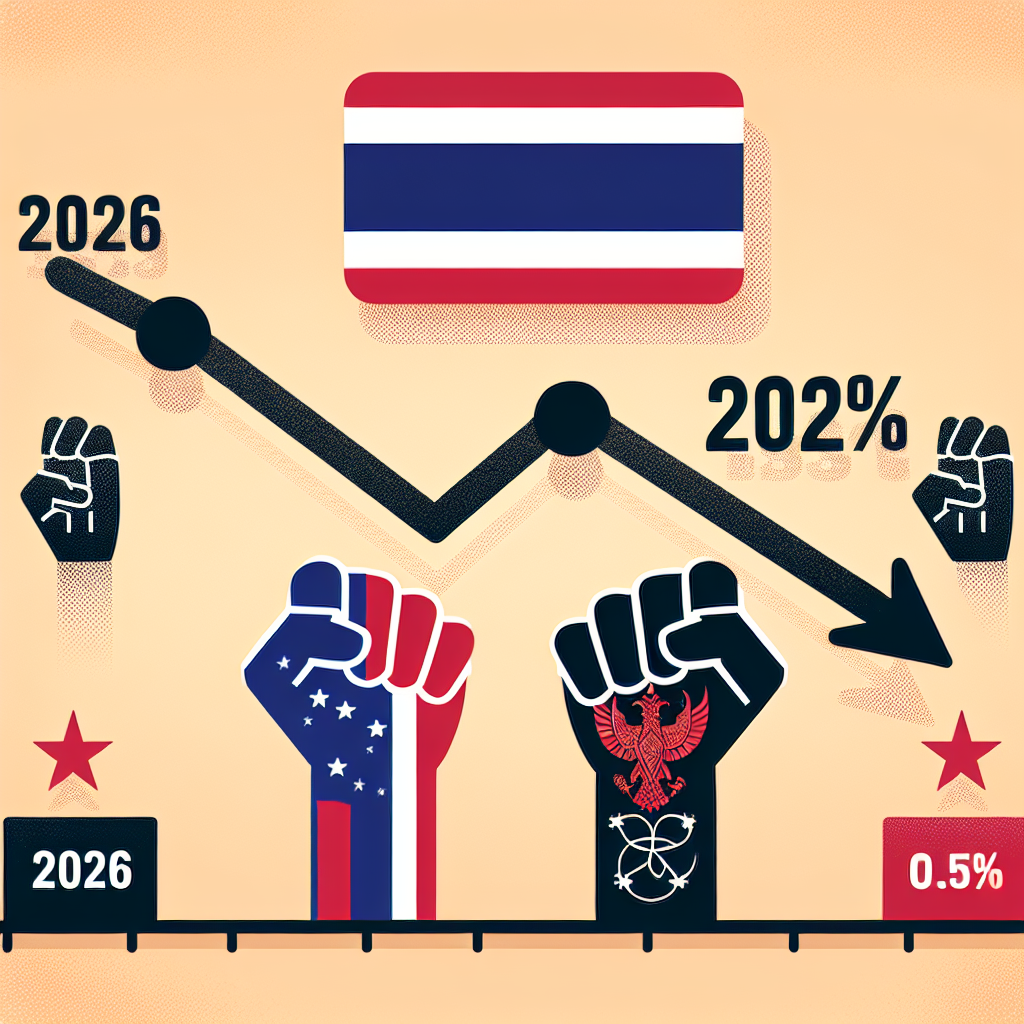
The Bank of Thailand has issued a stark warning regarding the potential impact of prolonged military conflict with Iran on the global economy. According to their latest forecasts, if the war continues for several months, Thailand’s economic growth rate for 2026 could be drastically reduced to just 0.5%. This prediction underscores the interconnectedness of today’s global economy, where geopolitical tensions can have far-reaching consequences.
The Potential Ripple Effects on Thailand’s Economy
The ongoing conflict in Iran not only threatens regional stability but also poses significant risks to global trade dynamics. As a major exporter of goods, Thailand could face disruptions in trade flows and supply chains, particularly in sectors reliant on oil and energy resources. Rising oil prices, a common consequence of conflicts in the Middle East, could further strain Thailand’s economy, leading to increased transportation costs and inflationary pressures.
Inflation and Consumer Spending
With inflation already a concern in many economies, escalating prices due to conflict-related supply constraints could dampen consumer spending in Thailand. Households may find their purchasing power eroded, leading to a decline in domestic demand. This scenario could stifle growth and hinder the recovery of sectors such as tourism and retail, which are vital to Thailand’s economic health.
Global Economic Uncertainty
The Bank of Thailand’s projections come amid broader global economic uncertainty. Countries around the world are grappling with the repercussions of rising geopolitical tensions, ongoing supply chain disruptions, and the lingering effects of the COVID-19 pandemic. A slowdown in global economic activity could further exacerbate Thailand’s growth challenges, as international markets become more volatile.
Strategic Measures for Resilience
In light of these potential challenges, the Bank of Thailand and the Thai government may need to consider strategic measures to bolster economic resilience. This could include diversifying trade partnerships, investing in renewable energy sources to reduce dependence on oil, and implementing fiscal policies aimed at stimulating domestic demand. Proactive measures could help mitigate the adverse effects of external shocks and support sustainable economic growth.
Conclusion
As the situation in Iran continues to evolve, the Bank of Thailand’s warning serves as a crucial reminder of the vulnerabilities inherent in a globalized economy. Policymakers must remain vigilant and responsive to these challenges to safeguard Thailand’s economic future. Collaborative efforts at both national and international levels will be essential to navigate the complexities of an increasingly unpredictable geopolitical landscape.


