

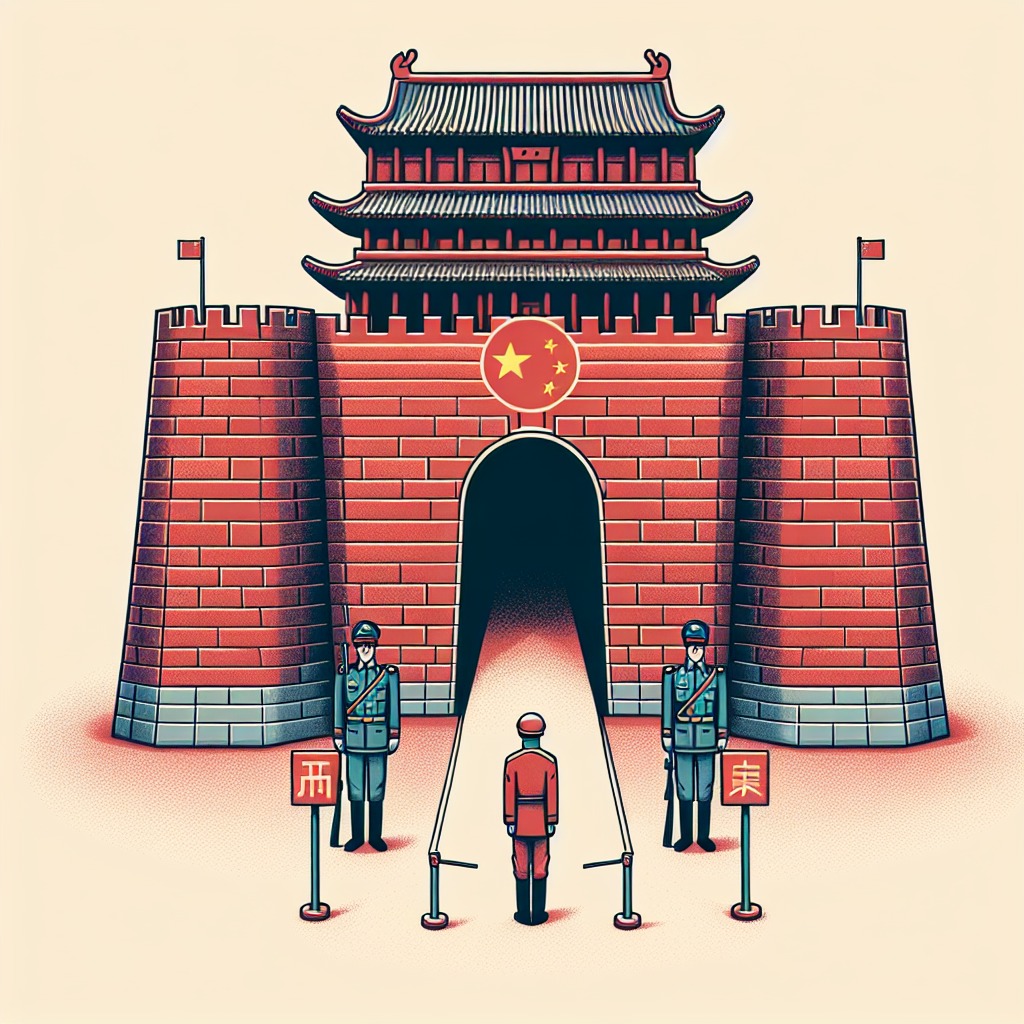
China Replaces Crypto Ban with Stricter Regime
Carves Out Narrow Path for State-Controlled RWA
China Replaces Crypto Ban with Stricter Regime, Carves Out Narrow Path for State-Controlled RWA
In a significant shift in its approach to cryptocurrency, China has replaced its outright ban with a more stringent regulatory framework. This new regime not only aims to tighten control over digital assets but also seeks to create a pathway for state-managed Real World Assets (RWA).
Background of China’s Crypto Ban
For years, China maintained a hardline stance against cryptocurrencies, implementing a comprehensive ban that prohibited trading, Initial Coin Offerings (ICOs), and crypto mining. The government cited concerns over financial stability, fraud, and energy consumption as primary reasons for these restrictions. Despite the ban, interest in digital currencies persisted, often pushing activities underground or into neighboring countries.
The New Regulatory Framework
China’s latest regulatory measures reflect a more nuanced understanding of the digital asset landscape. The government is not only looking to control the risks associated with cryptocurrencies but also to harness the technology behind them. The new framework is designed to regulate crypto exchanges and trading platforms more rigorously, requiring them to adhere to strict compliance standards and reporting obligations.
State-Controlled Real World Assets (RWA)
A notable aspect of this new regime is the emphasis on state-controlled RWAs. The Chinese authorities aim to tokenize physical assets such as real estate and commodities, facilitating easier access to investment opportunities while retaining a firm grip on the market. This initiative aligns with the country’s broader goals of digital modernization and financial innovation, seeking to integrate blockchain technology into its financial ecosystem.
Potential Implications for the Market
The introduction of a regulated environment for digital assets could have far-reaching implications for the cryptocurrency market both domestically and internationally. By establishing a framework for digital asset transactions, the Chinese government could foster a safer investment environment, potentially attracting institutional investors who have been hesitant due to regulatory uncertainties.
However, the narrow path carved out for RWAs indicates that the government will likely maintain strict controls over any digital asset activities, limiting the growth of a free market for cryptocurrencies. This could lead to a bifurcation of the crypto economy, where state-sanctioned projects thrive while decentralized cryptocurrencies struggle to gain traction.
Conclusion
China’s transition from a blanket crypto ban to a stricter regulatory regime marks a pivotal moment in its approach to digital currencies. By creating a controlled environment for state-backed RWAs, the government aims to balance innovation with risk management. The long-term effects of these changes remain to be seen, but they signify a potential shift in how cryptocurrencies and blockchain technology will be integrated into China’s financial landscape. As the world watches, the effectiveness of this new framework will likely influence regulatory approaches in other jurisdictions as well.


