

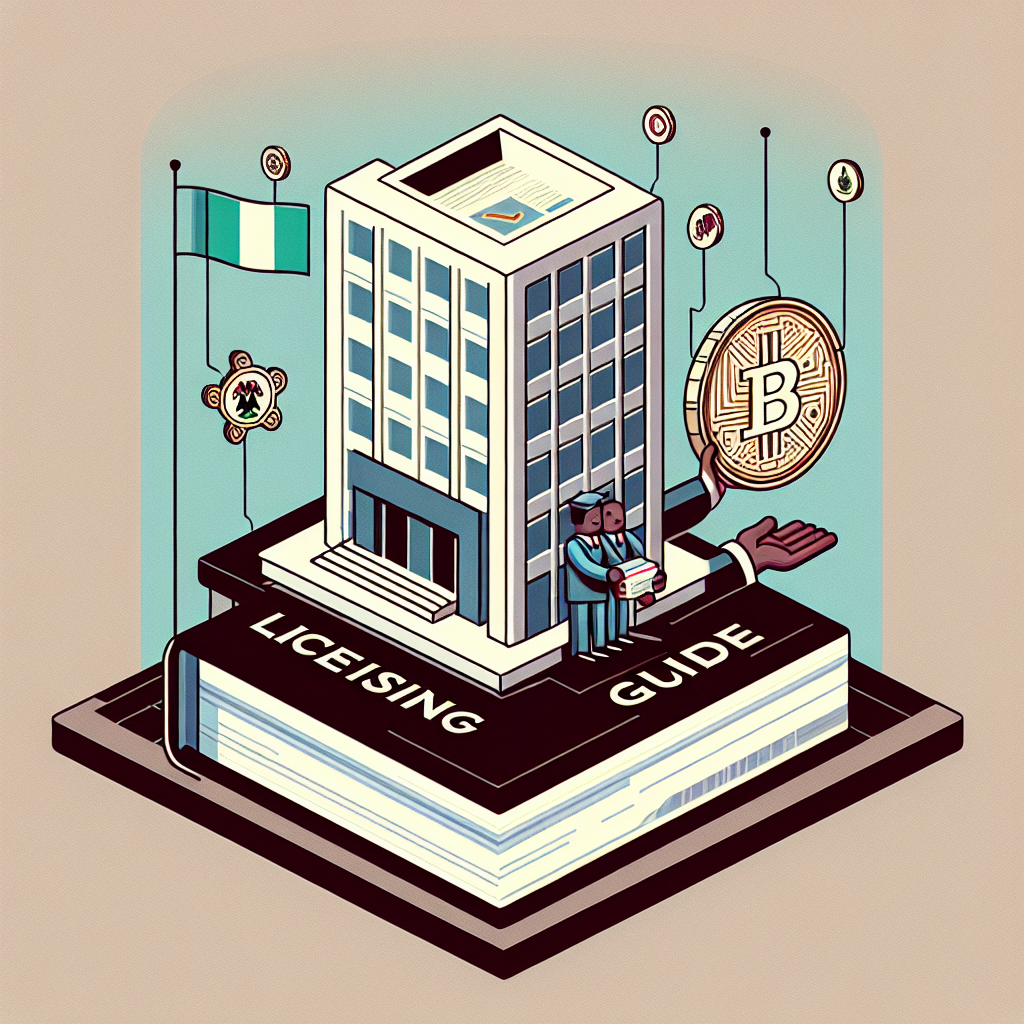
Crypto Regulation for Businesses in Nigeria: License Guide
Certainly! Below is a rewritten version of the article on crypto regulation for businesses in Nigeria, formatted with HTML heading tags as requested.
“`html
Crypto Regulation for Businesses in Nigeria: License Guide
The cryptocurrency landscape in Nigeria has been evolving rapidly, leading to increased interest from businesses looking to operate in this dynamic sector. As the government works to create a regulatory framework, understanding the licensing requirements is crucial for any business aiming to engage in cryptocurrency activities.
Overview of Cryptocurrency Regulations in Nigeria
In recent years, the Central Bank of Nigeria (CBN) and other regulatory bodies have taken steps to establish clear guidelines for cryptocurrency operations. While the CBN issued a circular in 2021 prohibiting banks from facilitating cryptocurrency transactions, it has also expressed interest in developing a regulatory framework that fosters innovation while ensuring consumer protection and financial stability.
Types of Licenses Required
Businesses in the cryptocurrency space may need to acquire several types of licenses, depending on their specific operations. Some of the key licenses include:
- Payment Service Provider (PSP) License: Necessary for businesses that intend to facilitate cryptocurrency transactions as a payment service.
- Digital Asset Exchange License: Required for platforms that allow users to buy, sell, or trade cryptocurrencies.
- Initial Coin Offering (ICO) License: Needed for businesses planning to raise funds through the issuance of new cryptocurrency tokens.
Compliance Requirements
Businesses must adhere to specific compliance requirements to obtain and maintain their licenses. These may include:
- Implementing anti-money laundering (AML) and know your customer (KYC) protocols.
- Regularly reporting transactions to relevant authorities.
- Ensuring data protection and cybersecurity measures are in place to protect user information.
Steps to Obtain a Cryptocurrency License
Obtaining a cryptocurrency license in Nigeria involves several steps:
- Research: Understand the specific licensing requirements applicable to your business model.
- Prepare Documentation: Gather all necessary documentation, including business plans, compliance procedures, and financial statements.
- Submit Application: Complete and submit the license application to the relevant regulatory authority.
- Compliance Review: Undergo a review process where regulatory bodies assess your application and compliance measures.
- Receive License: Once approved, you will receive your license to operate legally in the cryptocurrency market.
Future of Crypto Regulation in Nigeria
As the adoption of cryptocurrencies continues to grow in Nigeria, it is likely that the regulatory landscape will evolve. The Nigerian government is exploring the introduction of a Central Bank Digital Currency (CBDC), which could further shape the regulatory environment. Staying informed about ongoing developments and adapting business practices accordingly will be essential for companies in the cryptocurrency sector.
Conclusion
In summary, navigating the crypto regulatory landscape in Nigeria requires careful planning and compliance with licensing requirements. As regulations continue to develop, businesses must remain proactive in understanding their obligations and ensuring they operate within the legal framework. Engaging with legal experts and industry professionals can provide valuable insights and support throughout the licensing process.
“`
This rewritten article provides a comprehensive overview of the crypto regulation landscape in Nigeria, including types of licenses, compliance requirements, and steps to obtain a license, while also considering future developments in the industry.


