
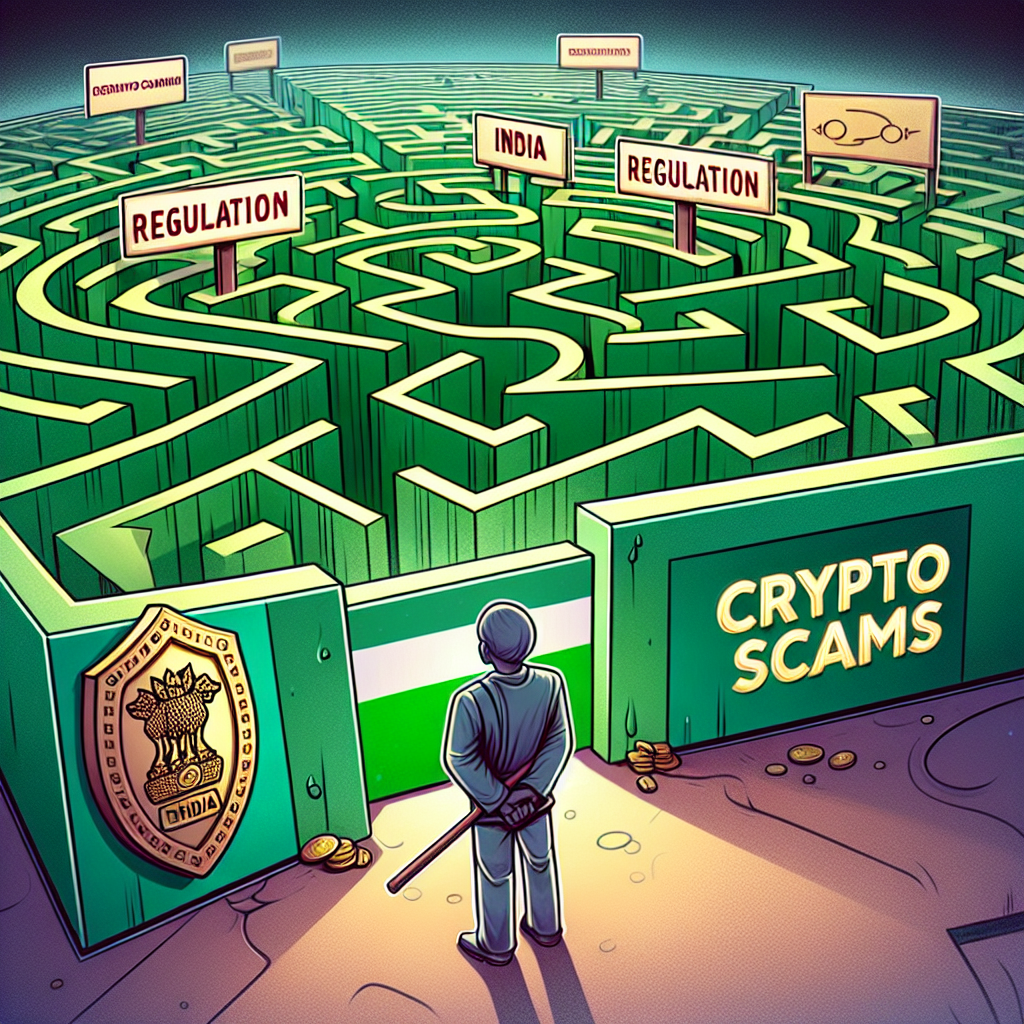
Crypto Scams Are Evolving Faster Than Regulation Is India Prepared
Crypto Scams Are Evolving Faster Than Regulation: Is India Prepared?
As the cryptocurrency landscape continues to expand, so too do the tactics employed by scammers. In recent years, India has witnessed a significant rise in crypto-related fraud, leading to urgent calls for regulatory frameworks to combat these deceptive practices. However, the pace at which scams are evolving seems to outstrip the speed of regulatory responses. This raises an important question: is India adequately prepared to tackle the growing threat of crypto scams?
The Rise of Cryptocurrency Scams
Cryptocurrency scams come in various forms, including Ponzi schemes, fake exchanges, and phishing attacks. In India, reports indicate that victims have lost millions of dollars to fraudulent schemes promising unrealistic returns on investment. Scammers leverage social media and messaging platforms to reach potential victims, often using high-pressure tactics to lure them into making hasty investment decisions.
Regulatory Challenges
Despite the increasing prevalence of crypto scams, regulatory measures in India have been slow to materialize. The Reserve Bank of India (RBI) and the Securities and Exchange Board of India (SEBI) have taken steps to address the issue, but the lack of a comprehensive legal framework for cryptocurrencies has hindered effective enforcement. Moreover, the decentralized nature of cryptocurrencies makes it challenging to track and prosecute offenders.
Recent Developments in Regulation
The Indian government has shown signs of taking the issue seriously, with discussions around implementing a regulatory framework for cryptocurrencies. In 2022, the Finance Ministry proposed guidelines aimed at protecting investors and preventing fraud. However, the details of these regulations remain vague, and many in the industry are calling for more clarity and a faster implementation process.
Public Awareness and Education
One of the most effective ways to combat crypto scams is through public awareness and education. Many individuals lack a fundamental understanding of how cryptocurrencies work, making them more susceptible to scams. Educational initiatives aimed at informing potential investors about the risks associated with cryptocurrencies and how to identify red flags can significantly reduce the number of victims.
International Collaboration
Given the global nature of cryptocurrency transactions, international collaboration is essential in combating scams. Countries like the United States and those in the European Union have begun sharing information and best practices to tackle crypto-related fraud. India could benefit from similar partnerships, allowing for the exchange of intelligence and strategies to enhance regulatory measures.
The Road Ahead
As cryptocurrency continues to gain traction in India, the need for robust regulatory frameworks and public awareness initiatives becomes increasingly critical. While the government is taking steps in the right direction, it must act swiftly to keep pace with the evolving landscape of crypto scams. By fostering collaboration between regulatory bodies, law enforcement, and educational institutions, India can better equip itself to protect its citizens from falling victim to these scams.
In conclusion, while the challenge of combating evolving crypto scams is significant, it is not insurmountable. With proactive measures, effective regulation, and a well-informed public, India can strengthen its defenses against the growing threat posed by cryptocurrency fraud.