
Growth of Bitcoin and Cryptocurrency in Iran During Geopolitical Tensions and Domestic Challenges: Research Insights from Crowdfund Insider
Iran’s Cryptocurrency Landscape Grows Amidst Geopolitical Tensions and Domestic Challenges
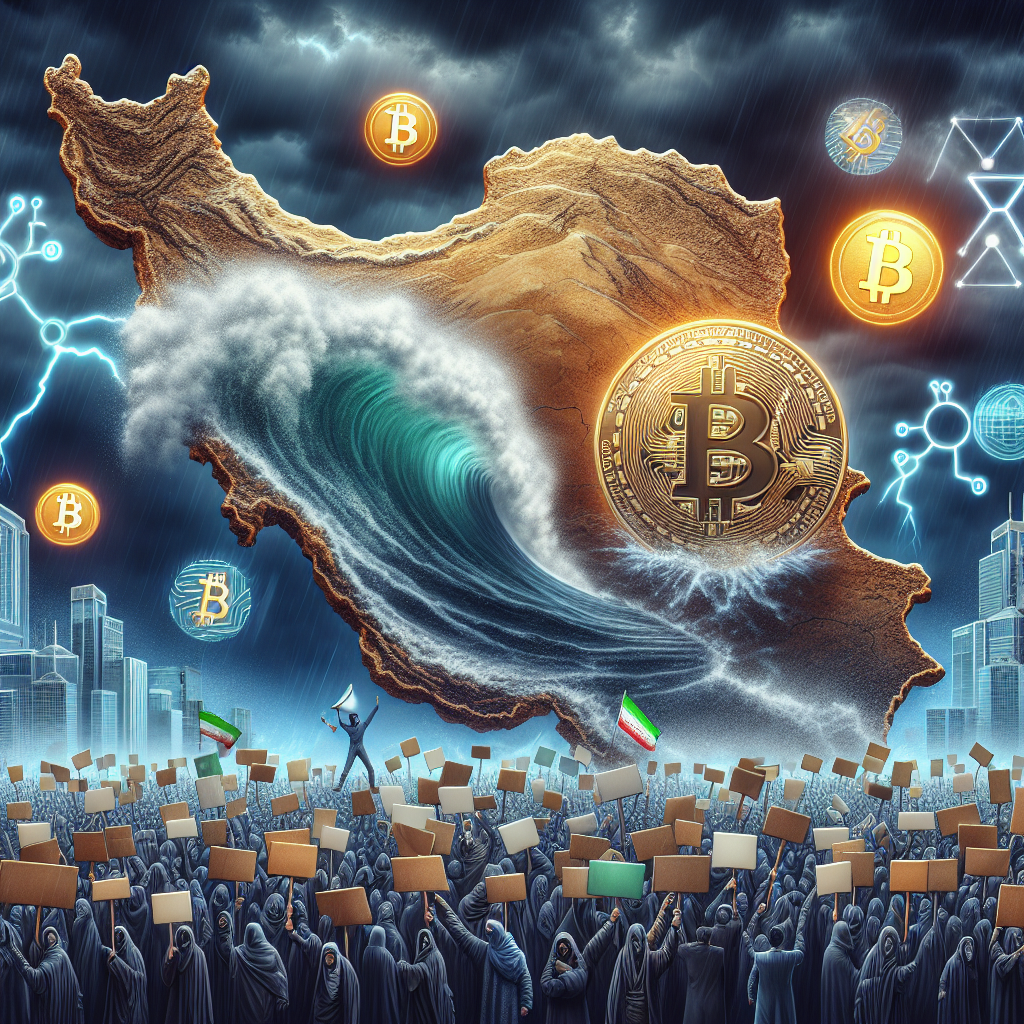
Recent research has highlighted the expanding landscape of Bitcoin and cryptocurrencies in Iran, set against a backdrop of geopolitical conflicts and internal strife. As the nation grapples with economic sanctions and political instability, many Iranians are increasingly turning to digital currencies as an alternative means of financial resilience.
Economic Sanctions Drive Adoption
Ongoing economic sanctions imposed by the international community have severely impacted Iran’s economy, leading to soaring inflation and a devaluation of the national currency. In this context, cryptocurrencies have emerged as a viable option for preserving wealth and facilitating transactions. Bitcoin, in particular, has gained traction, as it offers a decentralized alternative to traditional banking systems that are often inaccessible due to restrictions.
Government Response and Regulation
The Iranian government has had a mixed response to the growing popularity of cryptocurrencies. Initially skeptical, authorities have begun to recognize the potential benefits of blockchain technology and digital currencies. In recent months, there have been discussions about establishing a regulatory framework to govern cryptocurrency mining and trading, aiming to harness the sector’s potential while mitigating risks associated with illicit activities.
Crypto Mining Opportunities
Iran’s abundant energy resources have made it an attractive location for cryptocurrency mining operations. Miners are drawn to the country’s low electricity costs, which facilitate the profitability of mining activities. However, the government has imposed restrictions on mining during peak energy consumption periods to alleviate pressure on the national grid. This has spurred discussions on how to balance energy use with the burgeoning crypto mining industry.
Increased Interest from Investors
As awareness of cryptocurrencies grows, more Iranians are looking to invest in digital assets as a hedge against economic uncertainty. Online platforms and local exchanges have emerged, providing access to various cryptocurrencies. Moreover, educational initiatives aimed at informing the public about blockchain technology and investment strategies are becoming more common, fostering a more knowledgeable investor base.
Challenges and Risks Ahead
Despite the growing interest and potential benefits, the cryptocurrency sector in Iran faces significant challenges. Regulatory uncertainties, the risk of government crackdowns, and the volatility of digital currencies can deter some potential investors. Additionally, the technological infrastructure required for widespread adoption is still developing, which may hinder the growth of the sector.
Global Context and Future Prospects
Iran’s experience with cryptocurrencies is not unique; many countries facing economic turmoil are exploring the benefits of digital currencies. As geopolitical tensions continue to shape the global landscape, cryptocurrencies may offer a pathway for financial independence. For Iran, the future of its crypto sector will depend on how effectively the government navigates regulation, energy use, and international relations.
In conclusion, as Iran’s Bitcoin and crypto sector expands amidst ongoing geopolitical conflicts and internal upheaval, it presents both opportunities and challenges. The nation’s unique circumstances could position it as a significant player in the global cryptocurrency market, provided it can address the hurdles that lie ahead.


