

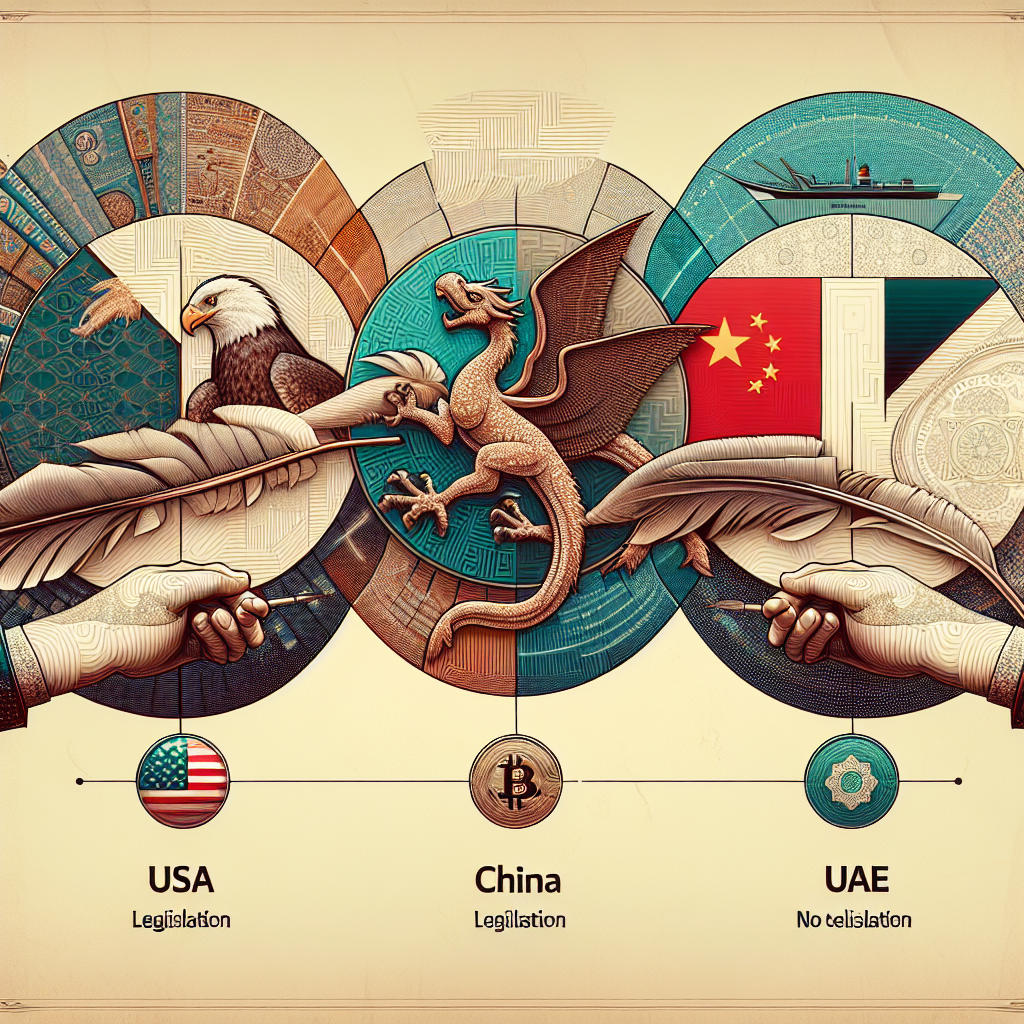
Latest Digital Asset Law Changes in the USA China and the UAE
Opinion
crypto.news
Recent Changes in Digital Asset Laws in the USA, China, and the UAE
The landscape surrounding digital asset regulations is rapidly evolving, with significant changes taking place in the United States, China, and the United Arab Emirates (UAE). As governments aim to balance innovation with consumer protection and economic stability, understanding these shifts is crucial for stakeholders in the cryptocurrency and digital asset sectors.
United States
In the United States, regulatory clarity has become a pressing need for both cryptocurrency firms and investors. Recently, the Securities and Exchange Commission (SEC) has intensified its scrutiny of digital assets, particularly focusing on whether certain cryptocurrencies should be classified as securities. The SEC’s actions have led to heightened enforcement measures against companies that fail to comply with existing regulations.
Additionally, the Biden administration has been actively working on creating a comprehensive framework for cryptocurrency regulation. Proposed legislation aims to address issues such as taxation, anti-money laundering (AML) compliance, and consumer protection. The administration is also focusing on the environmental impact of cryptocurrency mining, with discussions around sustainable practices becoming more prominent.
Furthermore, some states have begun to enact their own regulations, which can create a patchwork of rules across the nation. This has prompted calls for a more unified national approach to digital asset regulation.
China
China continues to take a stringent stance on cryptocurrencies, having officially banned all crypto trading and Initial Coin Offerings (ICOs) since 2021. The Chinese government has expressed concerns over financial stability and the potential for fraud, leading to a crackdown on crypto exchanges and mining operations.
Despite the ban on cryptocurrencies, China is making significant strides in the digital asset space through the development of its Central Bank Digital Currency (CBDC), known as the Digital Yuan. The People’s Bank of China (PBoC) has been piloting the Digital Yuan in various cities, aiming to enhance the efficiency of payment systems and reduce the risks associated with private cryptocurrencies. The Digital Yuan could potentially reshape the global financial landscape by providing the Chinese government with greater control over monetary policy and economic activity.
United Arab Emirates
The UAE is positioning itself as a global hub for digital assets, with a regulatory framework designed to attract blockchain and cryptocurrency businesses. The Dubai Financial Services Authority (DFSA) and the Abu Dhabi Global Market (ADGM) have introduced comprehensive regulations that promote innovation while ensuring compliance with international standards.
In 2023, the UAE government launched the “Dubai Metaverse Strategy,” aimed at transforming the Emirate into one of the top 10 global metaverse economies. This initiative encourages investment in digital assets, blockchain technology, and virtual reality, further solidifying the UAE’s commitment to becoming a leader in the digital economy.
Moreover, the UAE has established partnerships with various international organizations to enhance its regulatory framework, focusing on anti-money laundering efforts and fostering a secure environment for digital asset transactions.
Conclusion
The rapidly changing digital asset regulatory landscape in the USA, China, and the UAE highlights the need for stakeholders to stay informed and adaptable. As countries navigate the complexities of digital currencies and blockchain technology, the implications of these regulatory changes will undoubtedly shape the future of the global financial ecosystem. Stakeholders are encouraged to monitor these developments closely and engage with policymakers to ensure that regulations foster innovation while protecting consumers and maintaining economic stability.


